


Connect your tools in WorkOps. One way to run work delivery
One coordinated ecosystem for planning, executing, and automating work delivery — across people, tools, data, and AI.
From siloed teams to connected workflows
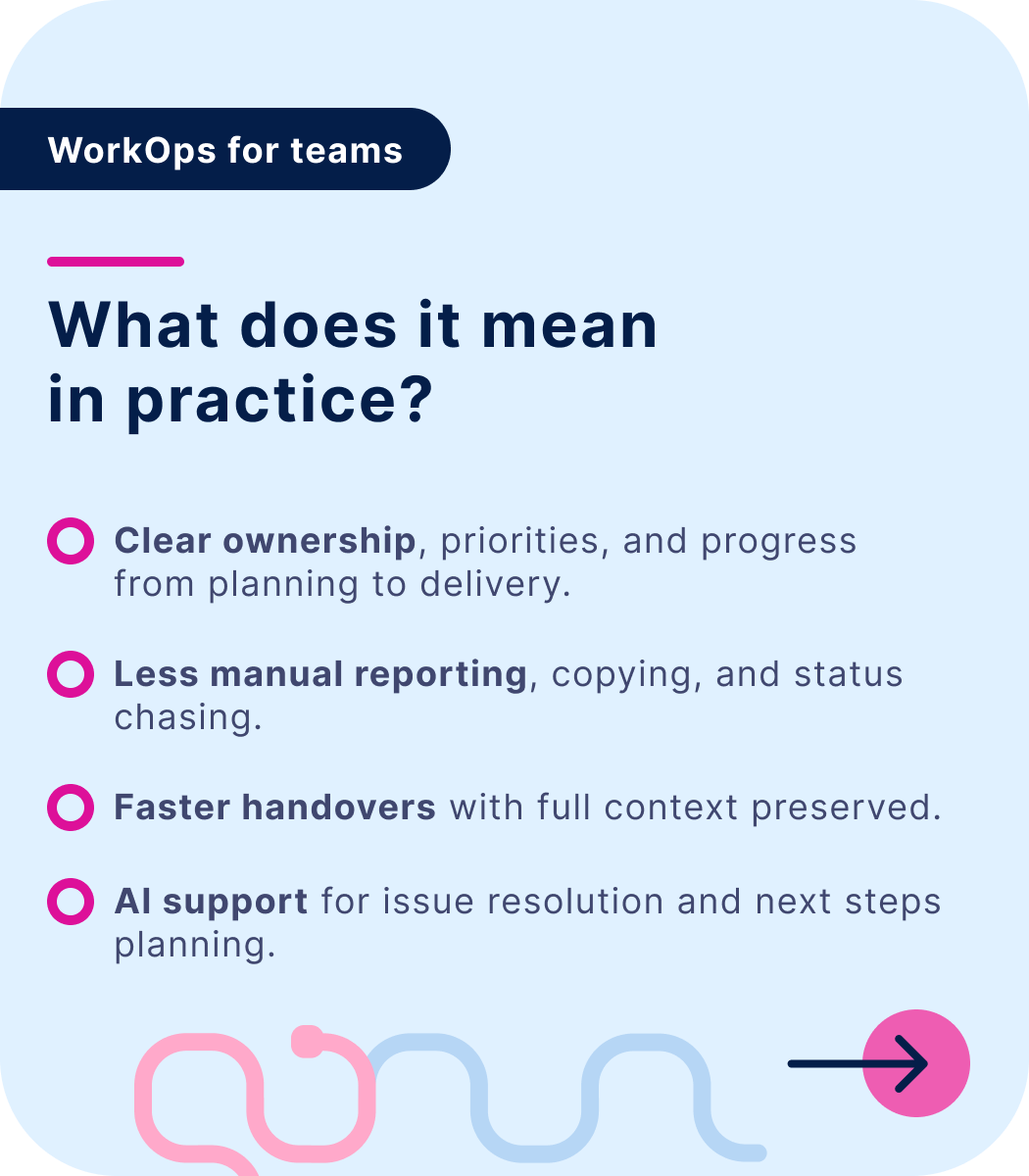
Most organisations still work in silos — each team using separate tools, with duplicate work, slow handovers, and missing data. WorkOps replaces this with one unified, AI-supported flow. Every team stays connected, informed, and focused on what matters.
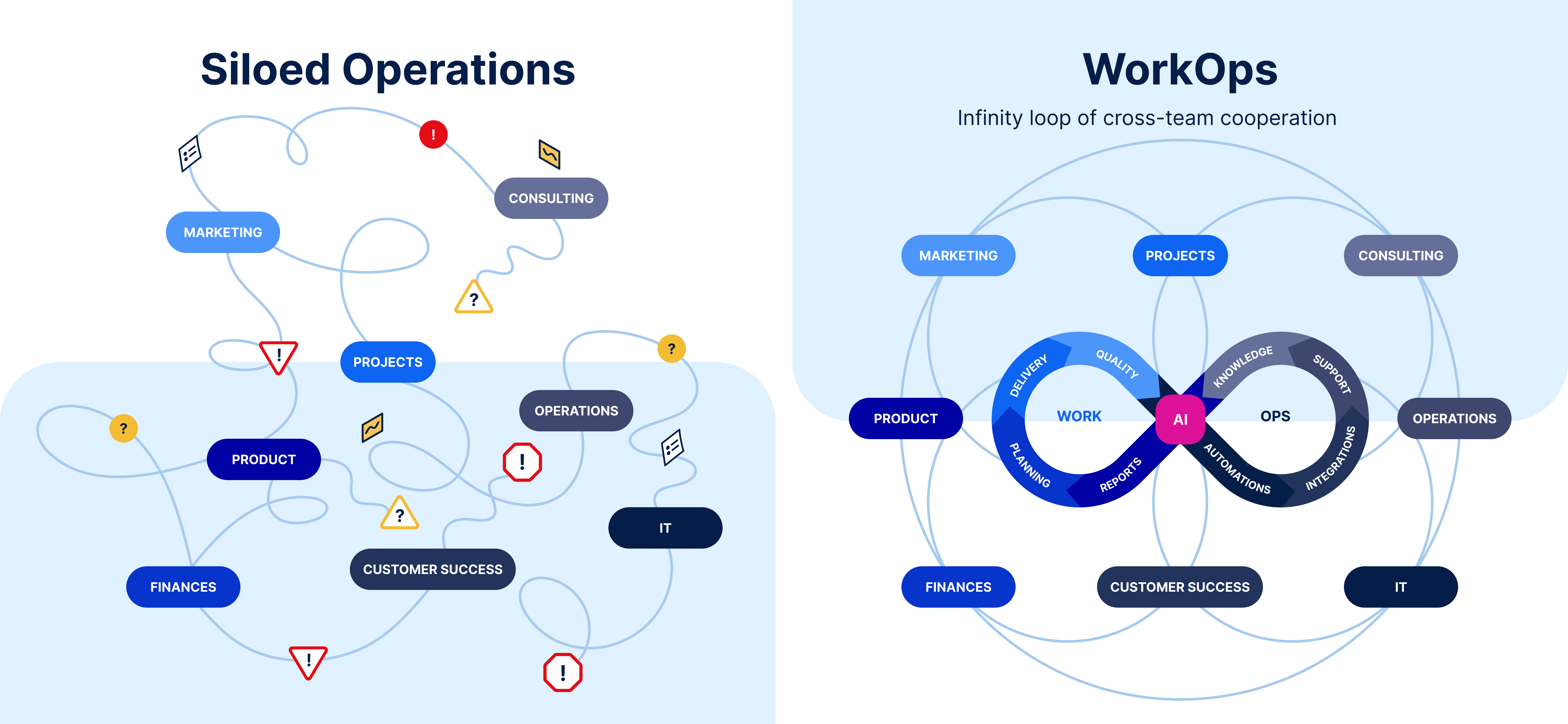
Turn complexity into clarity with streamlined workflows

Faster results with fewer blockers
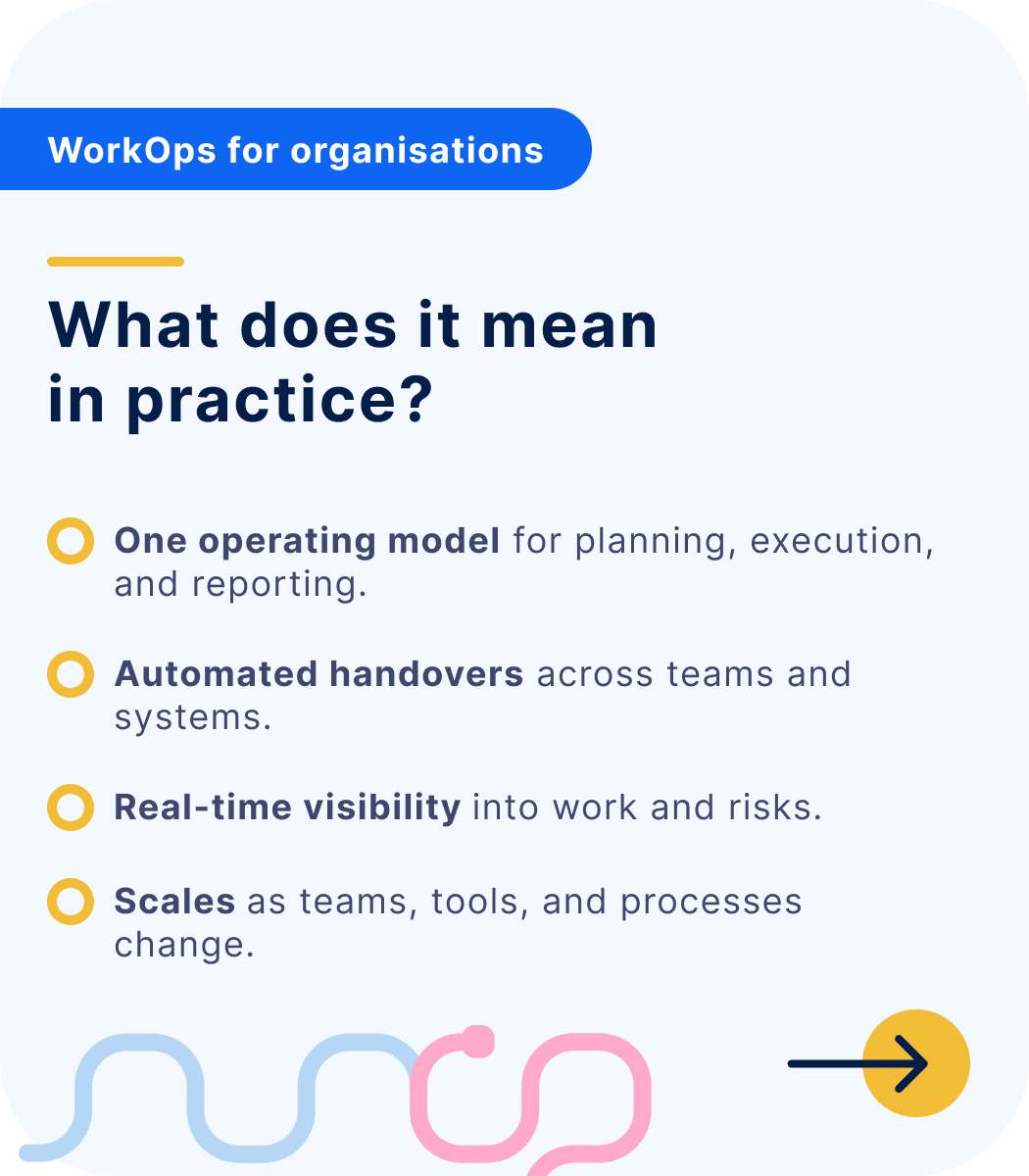
WorkOps reduces delays caused by tool fragmentation and disconnected teams. Thanks to automated workflows, integrated systems and AI, your team delivers work faster and more predictably.

Lower operational costs
By automating repetitive tasks and connecting your existing tools, WorkOps reduces manual effort, and human error. This leads to a leaner, more cost-efficient operation.

Real-time decisions with AI insights
Automations continuously analyse performance data, helps prioritise work, and recommends next actions. You get real-time visibility into what's working and what needs improvement.

One ecosystem instead of silos
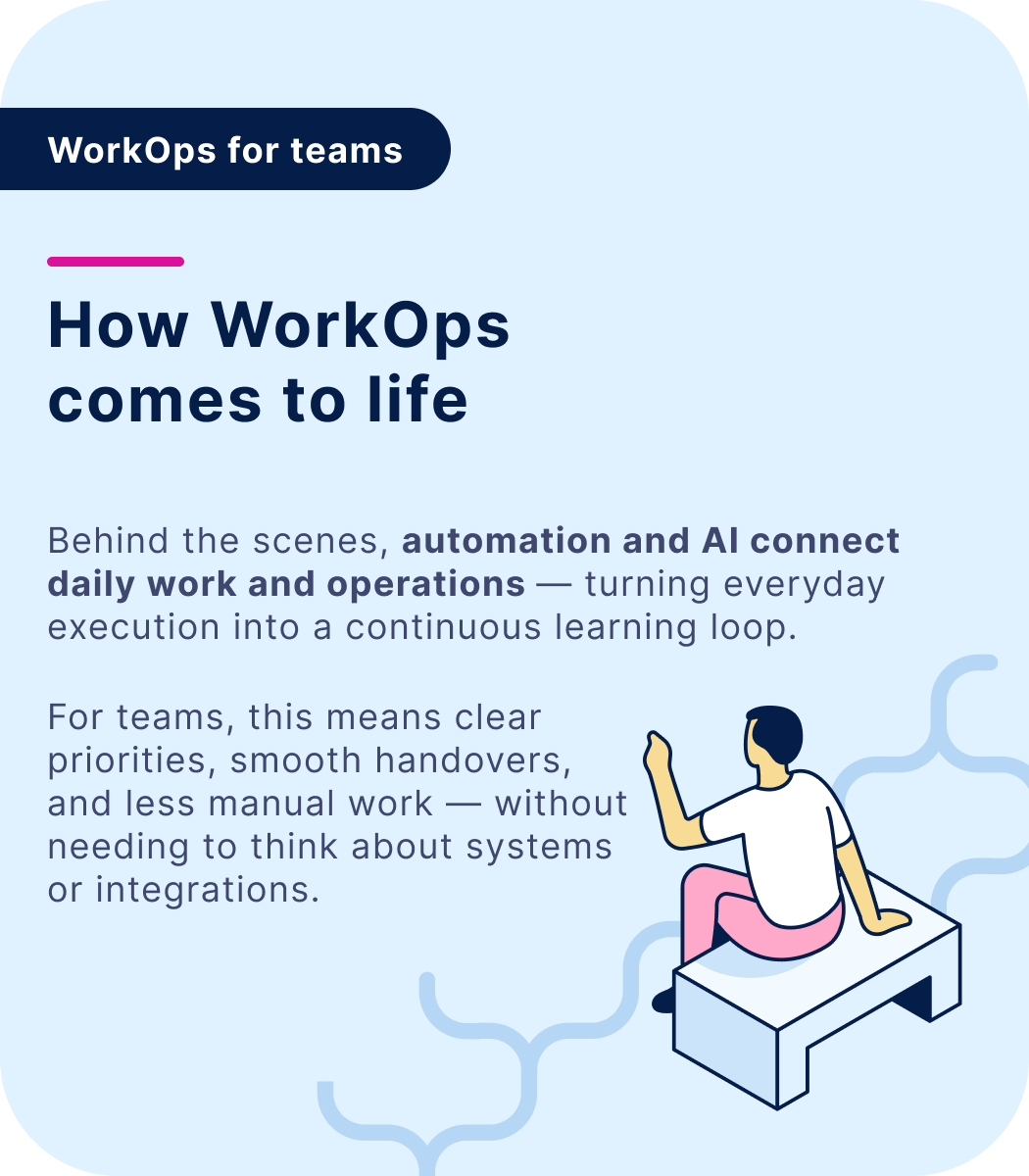
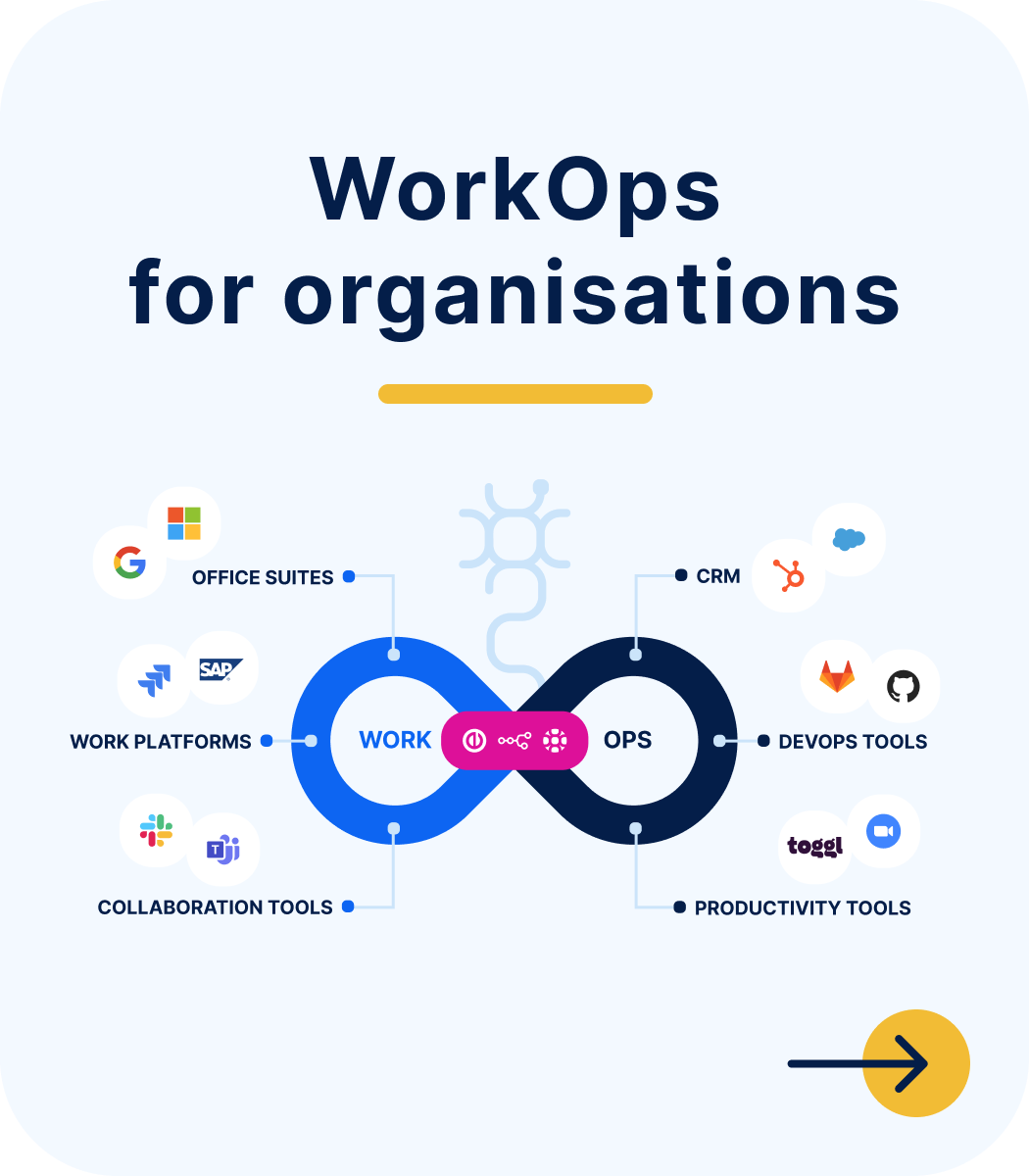
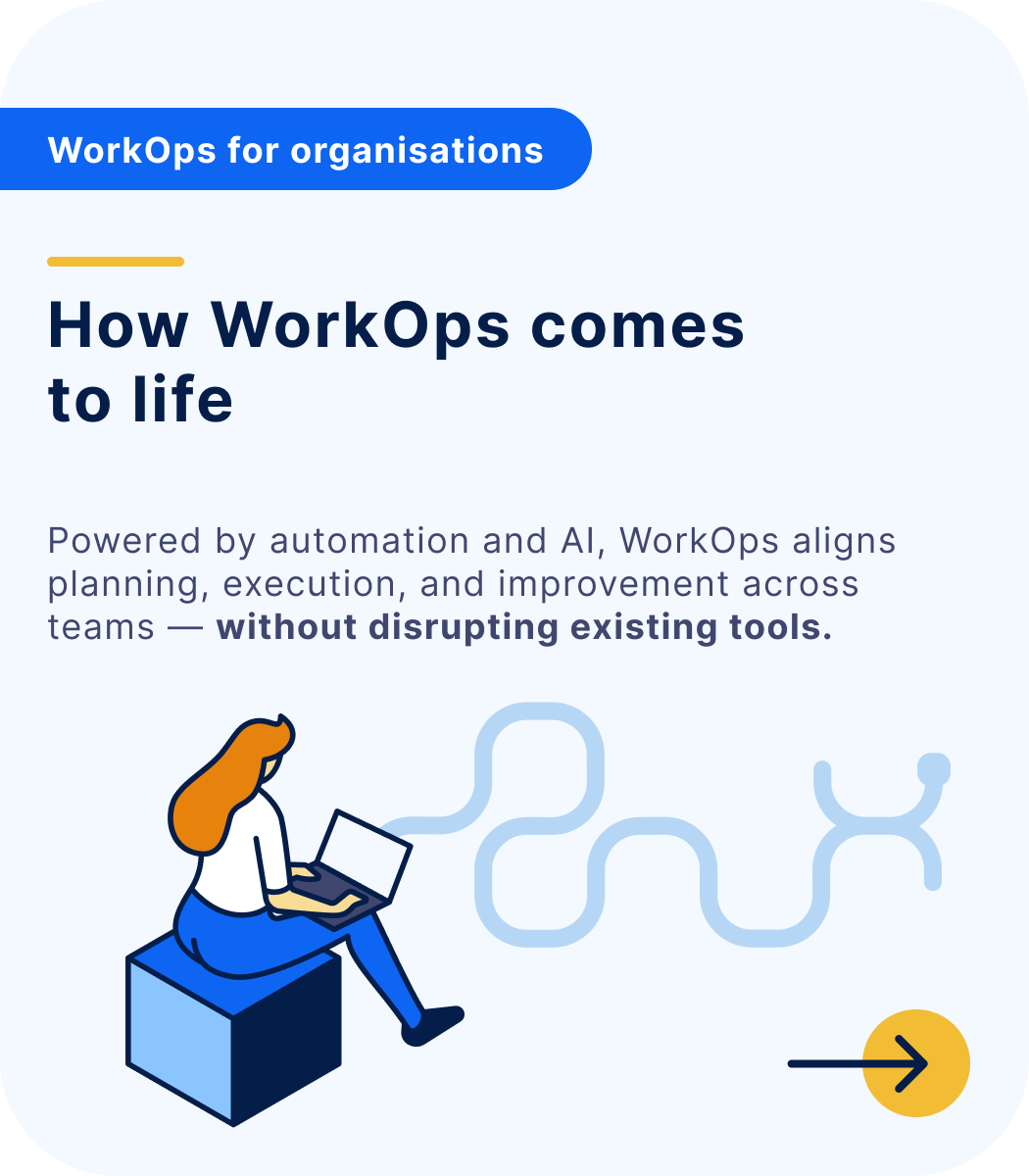
Powered by automations and AI, WorkOps aligns how work is planned, executed, and improved — without replacing your current tools.

How Seyfor implemented WorkOps to deliver work smoothly
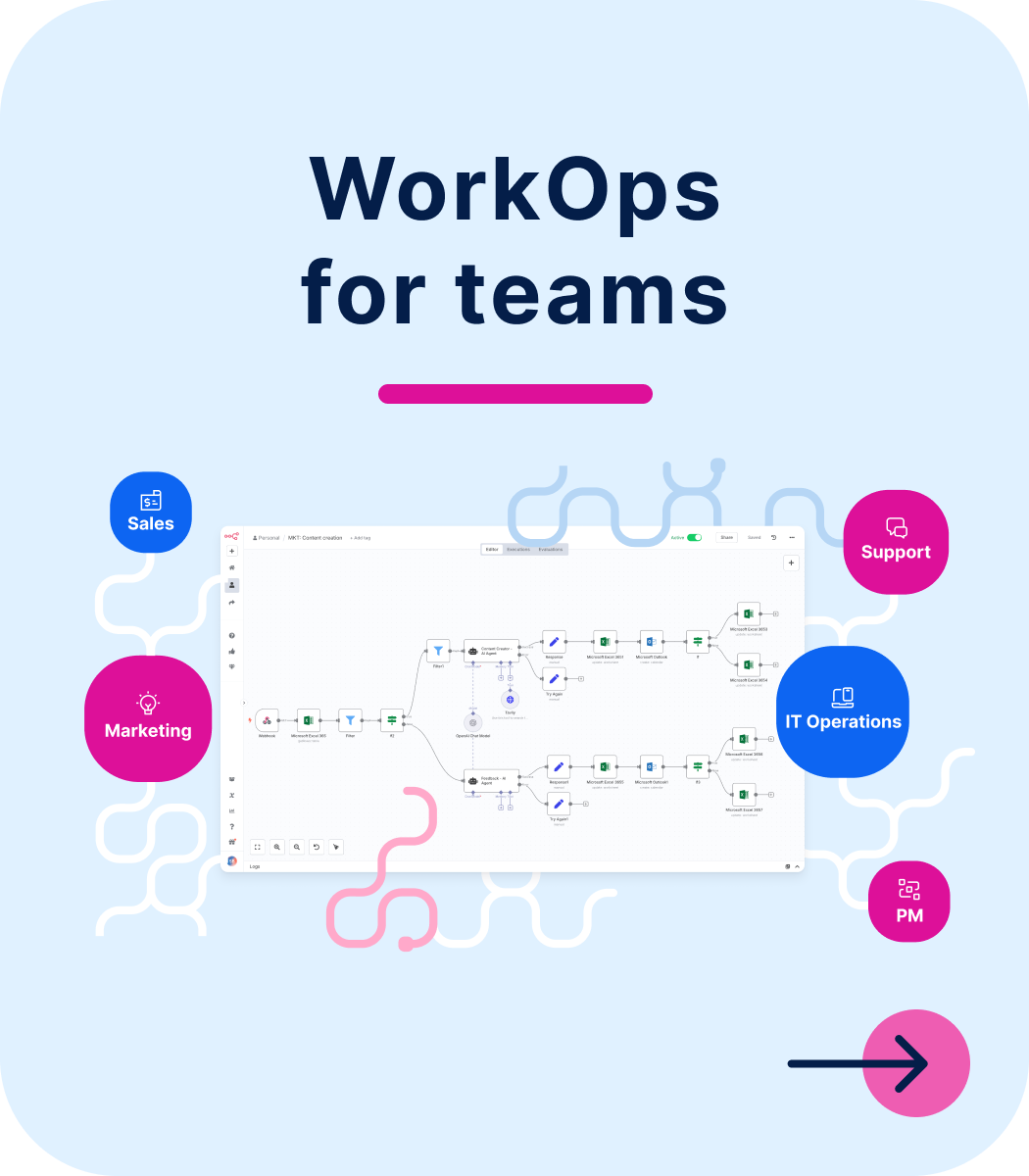
"We built our WorkOps implementation at Seyfor on a combination of Easy Redmine extended with AI capabilities, native automations, and targeted external integrations. A key role is played by artificial intelligence connected to our internal knowledge base in Confluence, supporting faster ticket resolution. We use AI as a tool for identifying similar historical tickets and suggesting responses based on proven solutions.
A major benefit for us is also the native automation in Easy Redmine, which allows multiple actions to be executed with a single click. Integration with other systems is handled through external workflows. This approach keeps integrations and data flows under full control while adapting WorkOps to our internal processes."

Calculate how much WorkOps could unlock for your team
Discover how much time and budget your team is losing to manual work.
Use the calculator to estimate savings from reduced reporting, fewer handovers and less tool switching — and see the potential impact of WorkOps on productivity and cost efficiency.
The WorkOps operating model — built for modern teams
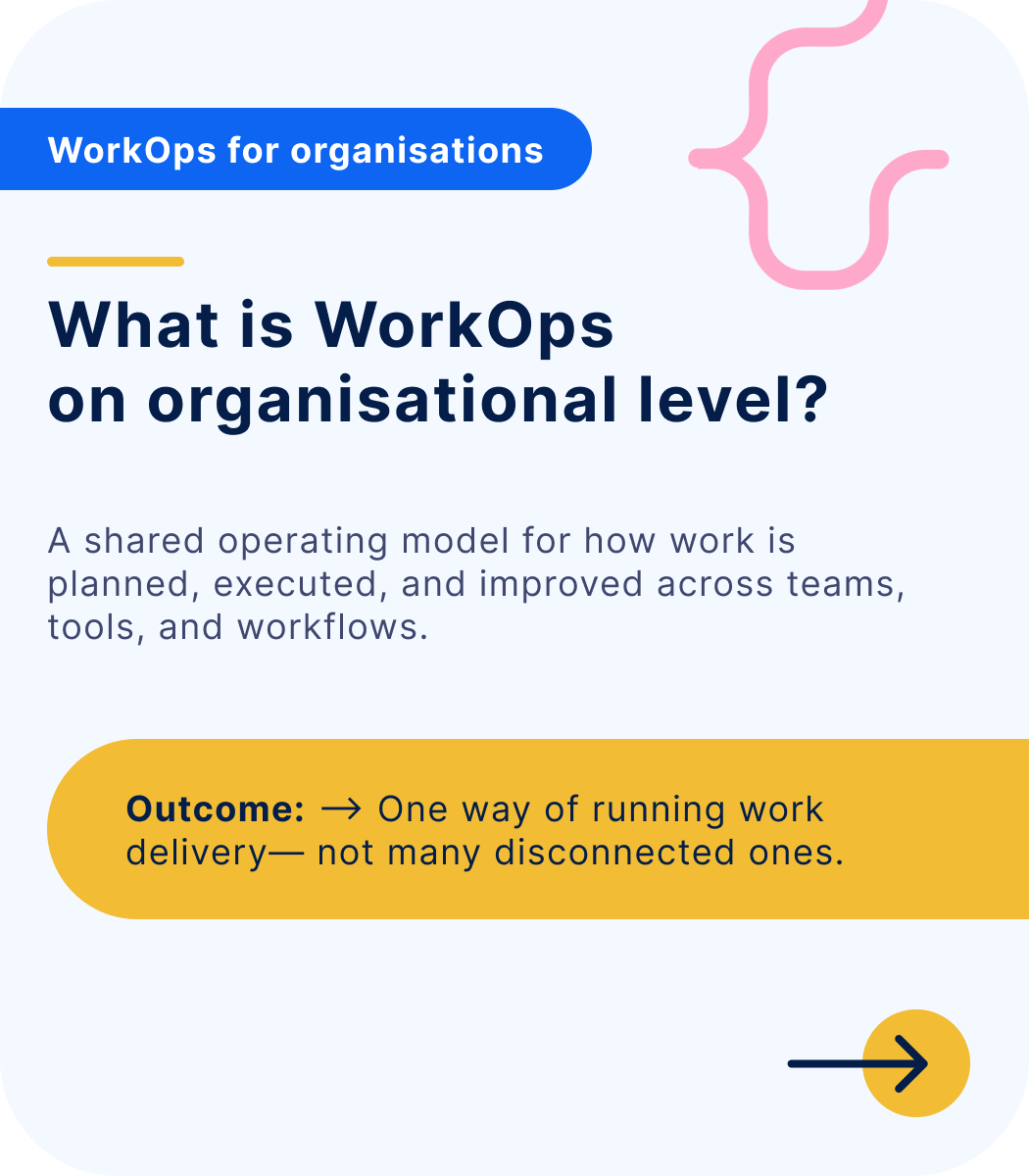
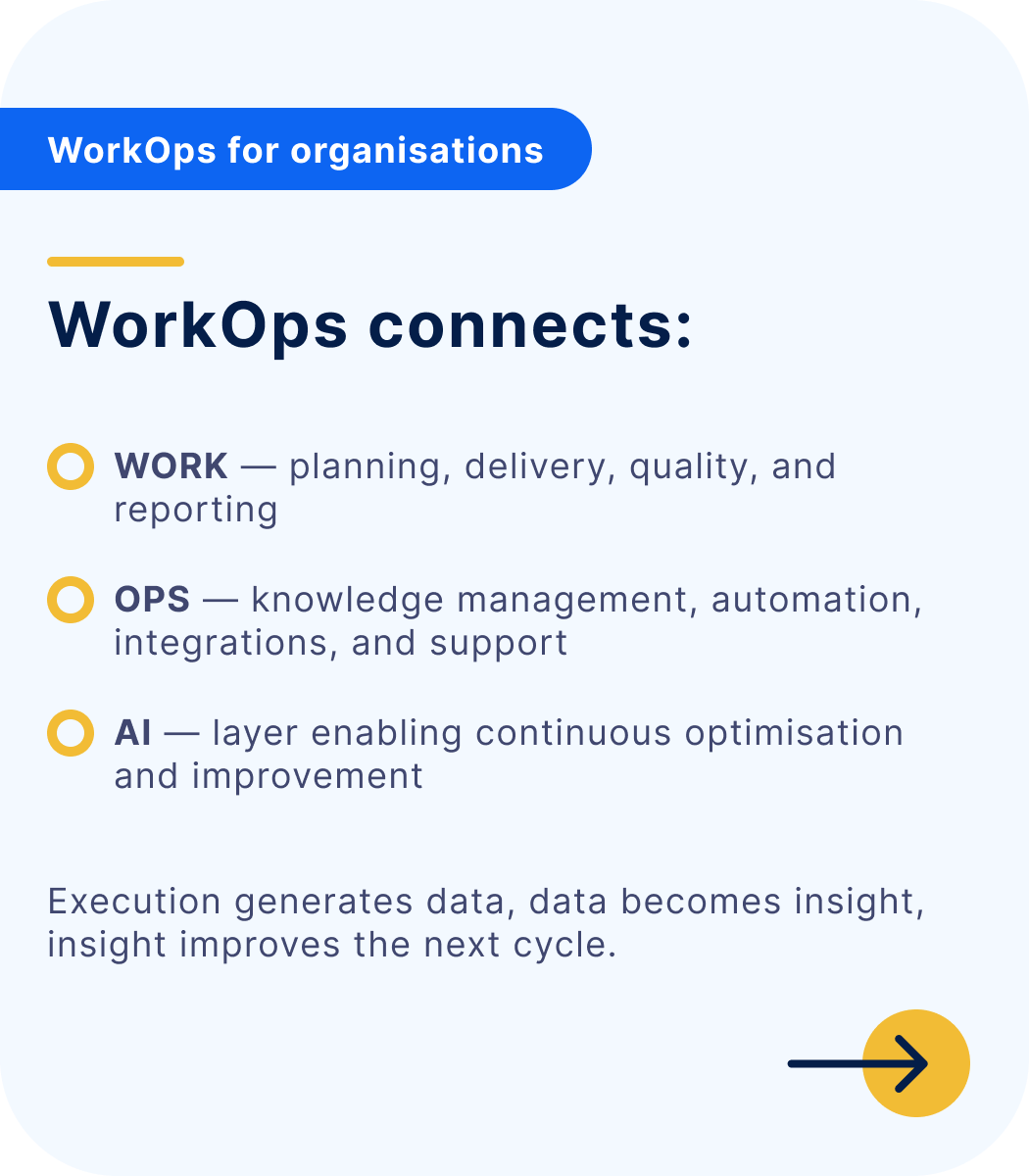
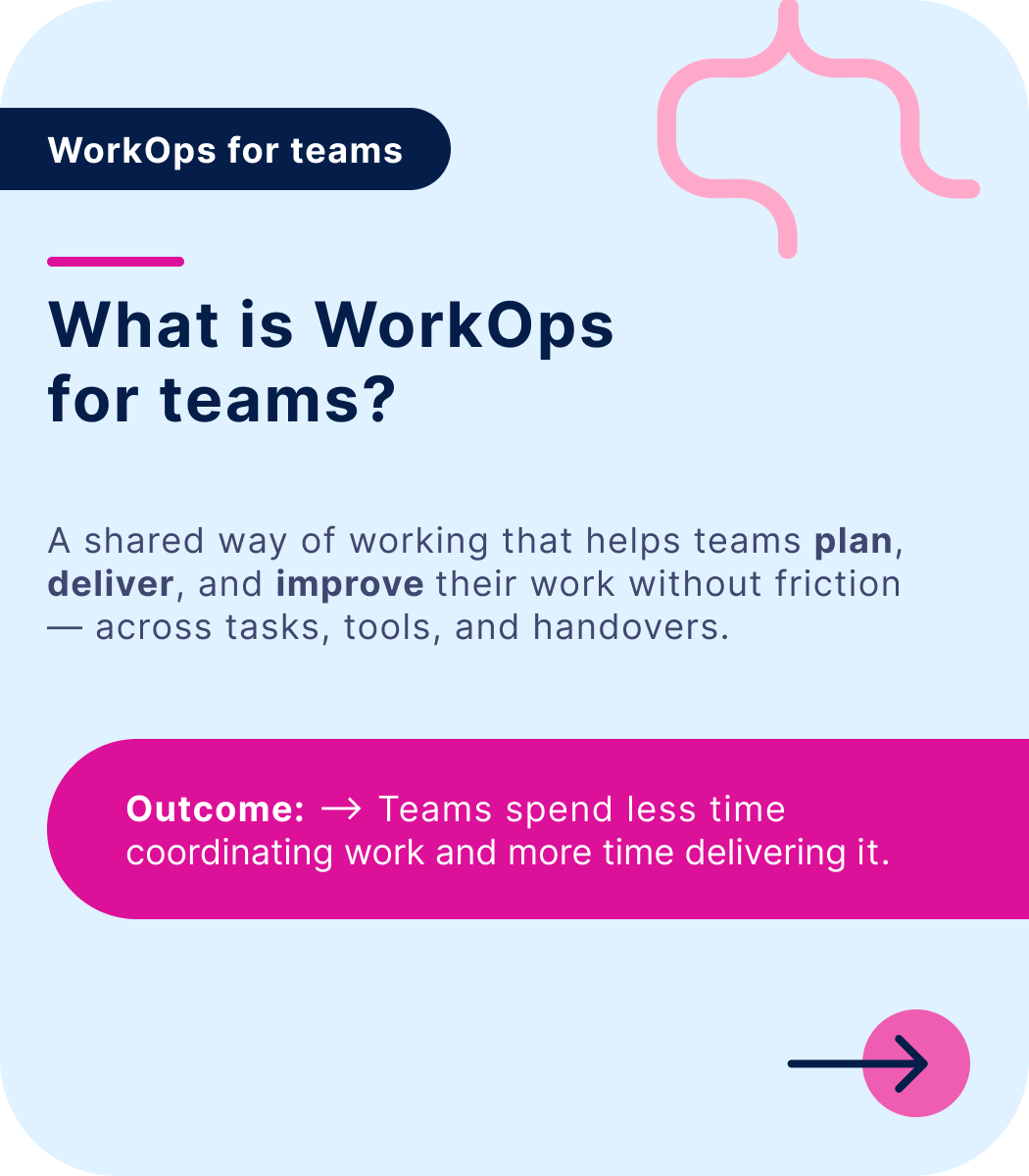
WorkOps defines how work runs in modern organisations — where teams use many tools, operations are cross-functional, and change is constant.
It is not a single product or a fixed toolset.
WorkOps is an operating model that connects planning, execution, operations, and learning into one continuous loop — across teams, systems, and data.
9/9
1/9
2/9
3/9
4/9
5/9
6/9
7/9
8/9
9/9
1/9
Get inspired by live sessions on how to enhance work delivery
AI-powered WorkOps foundations

26. 02. 2026 at 14:00 CET
AI-powered WorkOps for Product teams
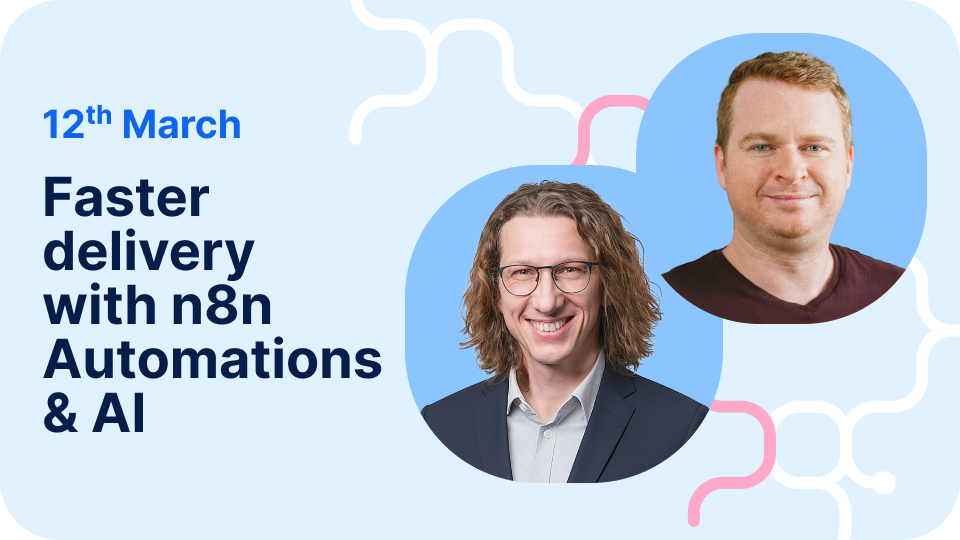
12. 03. 2026 at 14:00 CET
AI-powered WorkOps for Project Managers
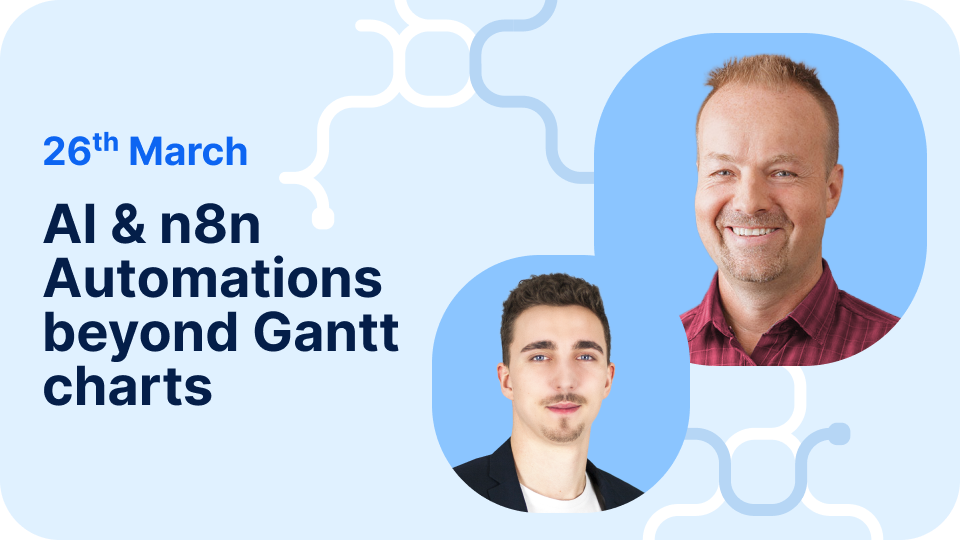
26. 03.2026 at 14:00 CET
AI-powered WorkOps for Marketing teams

09. 04. 2026 at 14:00 CEST
AI-powered WorkOps for Customer Success
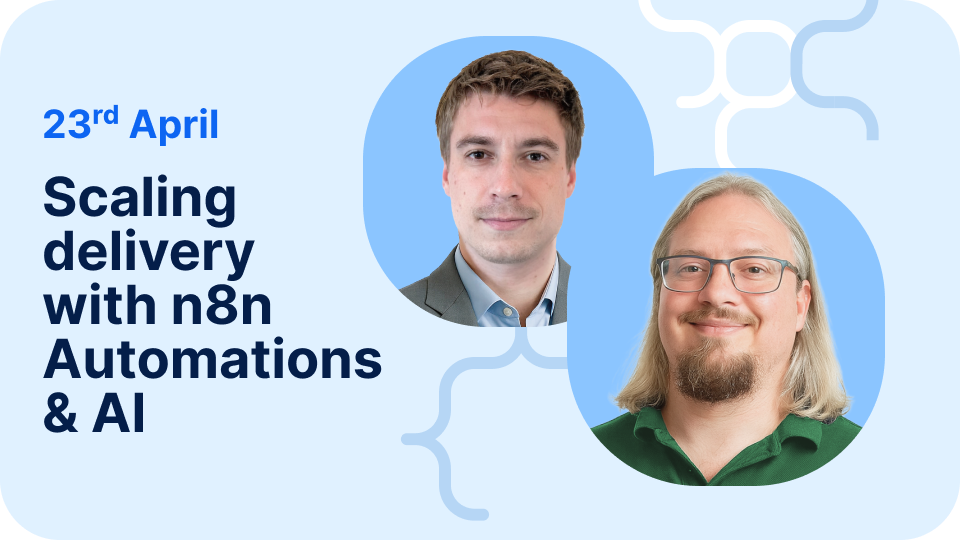
23. 04. 2026 at 14:00 CEST
AI-powered WorkOps for regulated environments
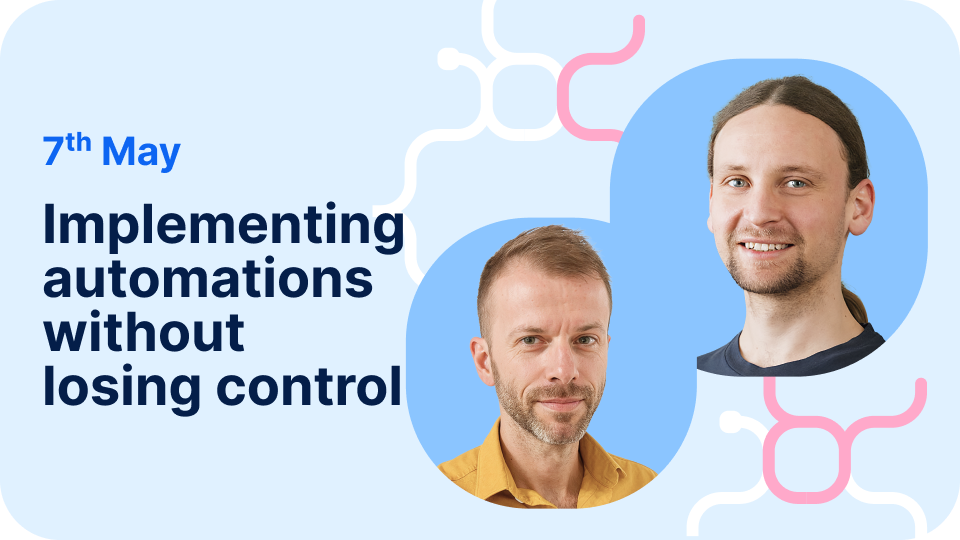
07. 05. 2026 · 14:00 CEST
AI-powered WorkOps for collaborative work management

21. 05. 2026 · 14:00 CEST
AI-powered WorkOps for IT operations
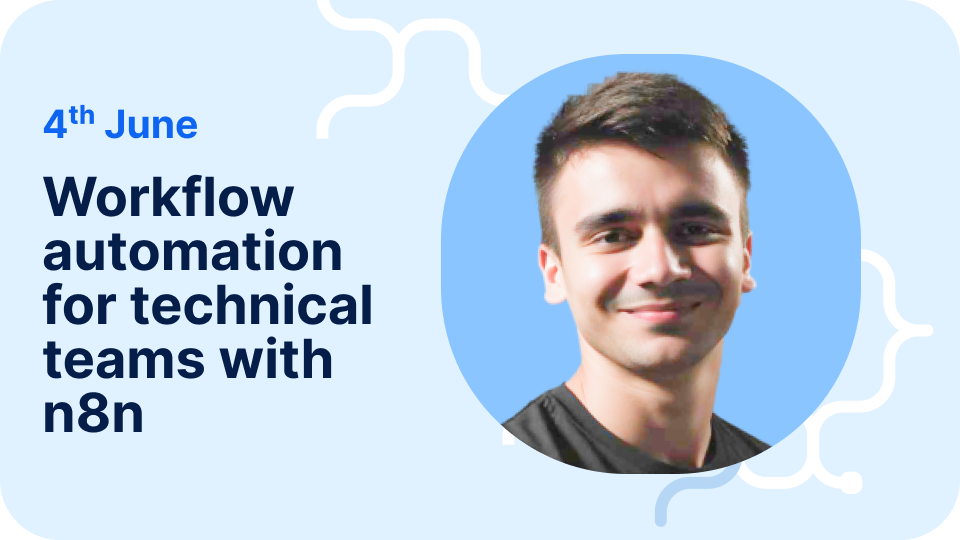
04. 06. 2026 · 14:00 CEST

Explore your WorkOps setup
Discuss how work flows across teams and tools with a senior WorkOps consultant.
Together, we look at:
- how work is currently coordinated across teams
- which tools and systems are part of your tech stack
- where friction, manual work, or blind spots typically appear
The goal is simple:
to create a shared understanding of your current work execution reality and identify areas worth improving.
Learn more about WorkOps

The WorkOps framework: A new functional model of work
Do you also feel like there is no longer a language to adequately describe modern work? Well, it is because you are not familiar with the WorkOps approach yet. Read more to realise why it all makes sense!

From DevOps to WorkOps: The evolution of the modern model of work
WorkOps is to technology project delivery what DevOps was to software development—bringing project, work, and service management into one integrated flow. Do you want to break this idea down? Continue reading...

The AI adoption curve: Where companies really are in 2026
AI is no longer a futuristic concept. It's a present-day power play reshaping how companies compete, grow, and operate. But while many businesses have jumped on the AI wave, only a few know how to turn potential into performance. Do you know where your organization stands?